
CERVICAL SPINE SURGERY — RELIEF, STABILITY & FUNCTION
Cervical spine surgery is designed to treat conditions in the neck that cause chronic pain, nerve compression, and mobility limitations. Our goal is to relieve symptoms safely, restore stability, and protect long-term spinal function using modern surgical techniques.
Each treatment plan is personalized based on imaging, symptoms, and neurological findings. Depending on the diagnosis, surgery may focus on decompressing nerves, correcting structural problems, and restoring healthy cervical alignment for improved comfort and long-term outcomes.
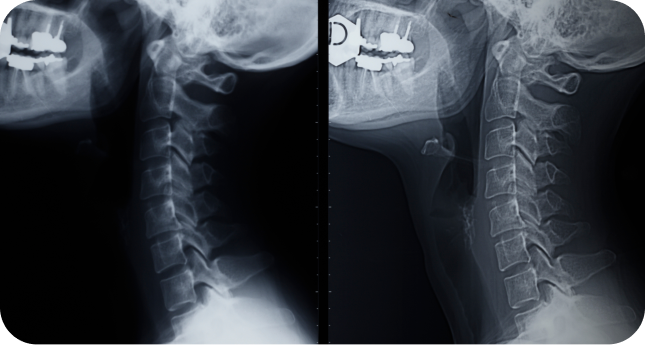
Cervical spine surgery restores comfort and control — helping reduce nerve symptoms and improve daily movement.

Nerve Decompression & Pain Control
Cervical spine surgery relieves pressure on compressed nerves to reduce neck pain, arm pain, numbness, and tingling.

Restored Neck Stability
Surgical correction improves cervical alignment and structural support, helping protect the spinal cord and restore balance.

Return to Daily Movement
Patients regain safer neck and arm function, allowing a gradual return to daily activities with improved comfort.
Neck conditions can become progressive when nerve compression or spinal cord irritation is present. With precise diagnostics and advanced techniques, our team focuses on predictable outcomes, improved function, and a recovery process designed around patient safety.

RELIEVE NECK PAIN AND RESTORE ARM FUNCTION
Cervical spine surgery can be highly effective for patients who have tried conservative care without success. Whether the cause is a disc herniation, degeneration, stenosis, or instability, the procedure is focused on reducing nerve compression, restoring support, and improving quality of life through safe, evidence-based care.
Get the Answers To Common Questions
Cervical spine surgery may be recommended for patients experiencing chronic neck pain, arm pain, numbness, weakness, or tingling caused by nerve compression or spinal instability that does not improve with conservative treatments.
This type of surgery is commonly used to treat herniated cervical discs, spinal stenosis, degenerative disc disease, cervical radiculopathy, and conditions affecting nerve function in the neck and arms.
Many patients experience relief from nerve-related symptoms shortly after surgery. Continued improvement occurs over time as inflammation decreases and normal movement is gradually restored.
Most patients resume light activities within a few weeks, while full fusion develops over several months.
Cervical spine surgery is performed using advanced, evidence-based techniques focused on patient safety. Your surgical team will carefully evaluate your condition and discuss all potential risks and expected outcomes before treatment.