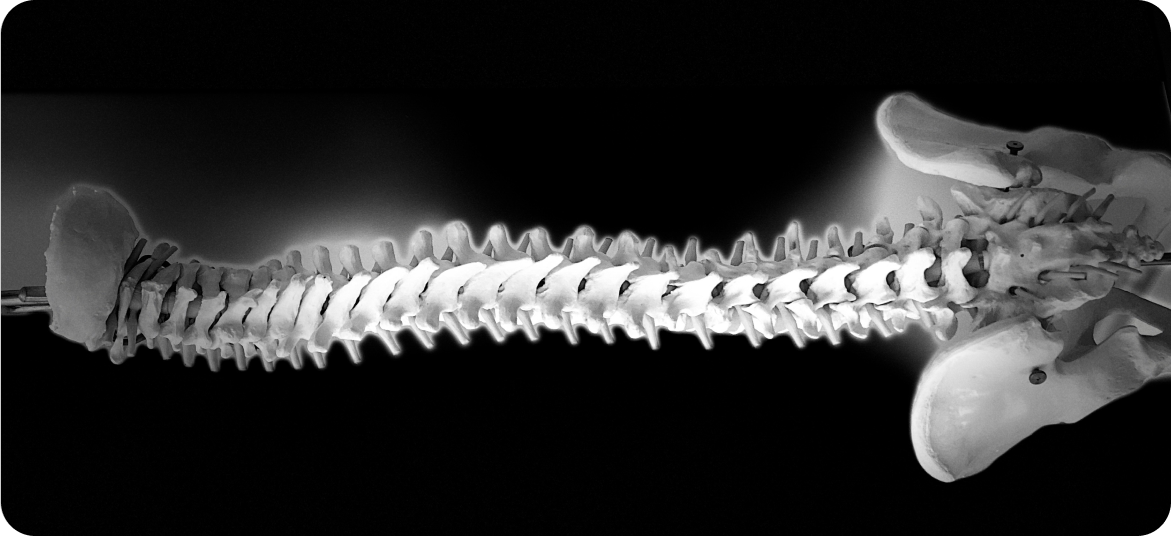
STRUCTURE, SUPPORT & LONG-TERM RELIEF
Spinal Fusion & Instrumentation is a surgical solution designed to treat chronic back pain and spinal instability caused by degeneration, fractures, deformities, or structural damage. The procedure restores support, corrects alignment, and reduces painful motion between vertebrae.
Each case is planned using advanced imaging and clinical evaluation to determine the safest and most effective approach. By stabilizing the spine with specialized hardware and promoting bone fusion, the goal is to achieve long-term comfort, improved function, and durable results.
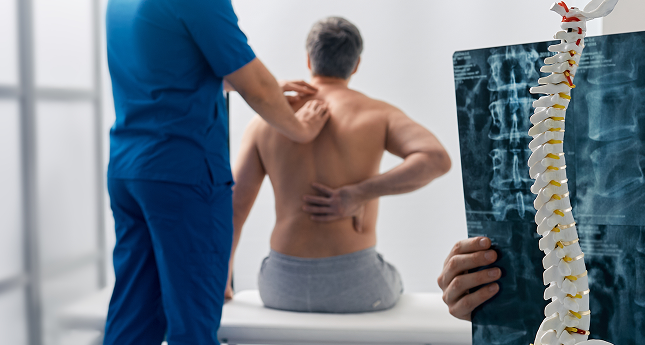
Spinal fusion is designed to restore stability and reduce pain — helping you move with more confidence and less limitation.

Spinal Stability & Pain Relief
Spinal fusion reduces painful motion between unstable vertebrae, improving chronic back pain and restoring long-term structural support.

Precision Surgical Support
Instrumentation such as screws and rods corrects alignment and reinforces stability while the spine heals and successfully fuses.

Safer Daily Movement
Patients regain more controlled movement and return to daily activities with improved posture, comfort, and confidence.
When instability is present, symptoms often worsen over time and limit daily life. Spinal fusion stabilizes the affected segment and helps prevent further degeneration by restoring alignment and support through modern techniques and high-quality instrumentation.

A STABLE SPINE MAKES EVERYTHING EASIER
Spinal Fusion & Instrumentation can be highly effective when conservative treatments no longer provide relief. Whether the cause is degeneration, spinal slippage, deformity, or trauma, this procedure is designed to create a strong foundation—reducing pain, supporting movement, and improving overall quality of life.
Get the Answers To Common Questions
Spinal fusion may be recommended for patients with chronic back or neck pain caused by spinal instability, deformity, or degeneration that has not improved with conservative treatments such as therapy, medication, or injections.
Spinal fusion is commonly used to treat conditions such as degenerative disc disease, spondylolisthesis, spinal instability, severe arthritis, spinal deformities, and persistent pain caused by abnormal spinal motion.
Instrumentation refers to the use of medical devices such as screws, rods, or plates to stabilize the spine during the fusion process. These tools help maintain proper alignment while the bones heal and fuse together.
Recovery time varies depending on the extent of the fusion and individual health factors. Many patients return to light activities within several weeks, while full recovery and bone fusion may take a few months with guided rehabilitation.
Yes. The instrumentation used in spinal fusion is designed to be durable, biocompatible, and long-lasting. In most cases, the hardware remains in place permanently and does not interfere with daily activities once healing is complete.