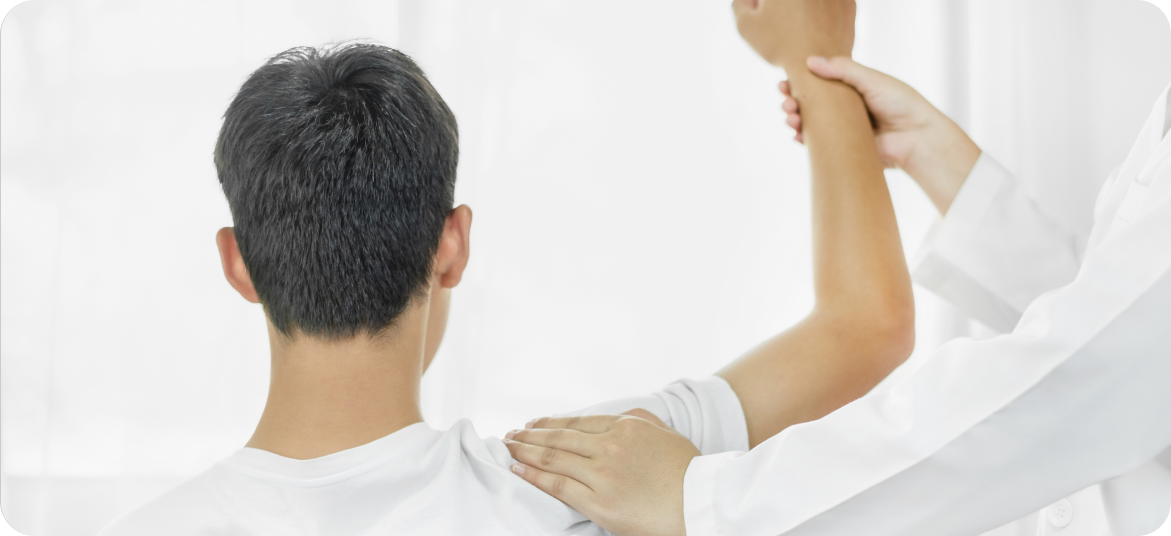
SHOULDER & ELBOW SURGERY — PRECISION CARE TO RESTORE ARM FUNCTION
Each case is carefully evaluated using imaging and physical assessment to identify the true cause of pain and loss of function. Depending on the diagnosis, treatment may include tendon repair, instability correction, cartilage treatment, or minimally invasive arthroscopy to achieve strong, predictable outcomes.
Our fellowship-trained surgeons specialize in hip, knee, and shoulder arthroscopy, as well as total joint replacement using internationally recognized techniques. We proudly offer advanced minimally invasive procedures, international training (Spain), and the highest-quality implants, ensuring predictable, long-lasting results for every patient.
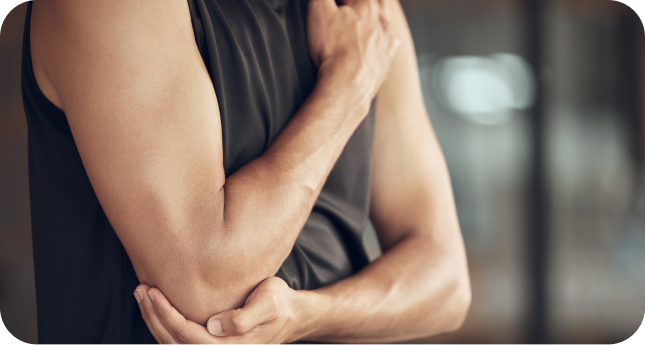
Shoulder and elbow surgery restores comfort and arm control — helping you move with strength, stability, and confidence again.

Pain Relief & Mobility
Surgery targets the source of shoulder or elbow pain, improving comfort and restoring range of motion for everyday movement.

Joint Stability & Strength
Surgery targets the source of shoulder or elbow pain, improving comfort and restoring range of motion for everyday movement.

Return to Function
Patients regain functional arm performance and return to work, daily activities, and sports with reduced limitations.
Shoulder and elbow conditions can worsen over time when instability or tendon damage is present. With modern techniques and minimally invasive options, surgery helps restore joint structure and function—supporting safer recovery and lasting results.

GET BACK TO MOVING YOUR ARM WITHOUT LIMITATIONS
When pain or weakness affects daily life, early treatment can prevent further damage. Whether the issue involves rotator cuff tears, labral injuries, tendon disorders, or joint instability, shoulder and elbow surgery restores movement, strength, and confidence through precise orthopedic care.
Get the Answers To Common Questions
Shoulder and elbow surgery may be recommended for patients with persistent pain, weakness, instability, or limited arm movement that does not improve with physical therapy, medication, or other non-surgical treatments.
This type of surgery commonly treats rotator cuff tears, shoulder instability, tendon injuries, arthritis, fractures, and nerve-related conditions affecting the shoulder or elbow.
Many patients experience pain relief and improved function shortly after surgery. Continued improvement occurs gradually as healing progresses and strength and range of motion are restored.
Recovery time varies depending on the procedure and individual health factors. Some patients return to light activities within a few weeks, while full recovery and return to strength may take several months with guided rehabilitation.
No. Many shoulder and elbow conditions can be treated successfully with non-surgical options such as physical therapy, injections, or activity modification. Surgery is recommended only when conservative treatments are no longer effective.