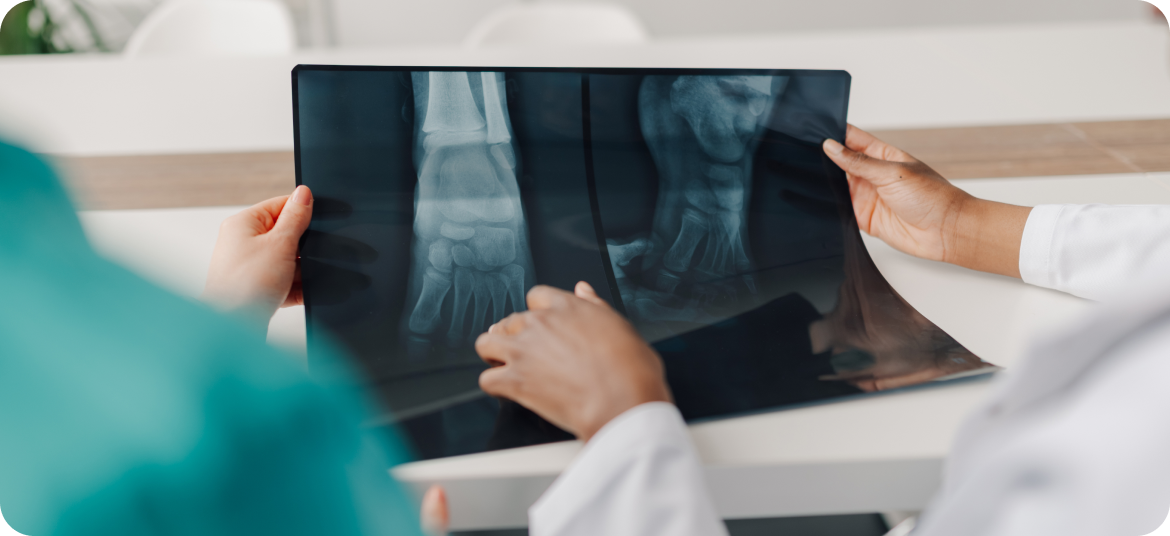
SPORTS INJURY TREATMENT — RECOVER, REBUILD & RETURN STRONGER
Each treatment plan is personalized based on the type of injury, activity level, and performance goals. Whether the injury is acute or chronic, care is designed to promote proper healing, regain strength, and prevent future injury through a structured and evidence-based approach.
Our fellowship-trained surgeons specialize in hip, knee, and shoulder arthroscopy, as well as total joint replacement using internationally recognized techniques. We proudly offer advanced minimally invasive procedures, international training (Spain), and the highest-quality implants, ensuring predictable, long-lasting results for every patient.
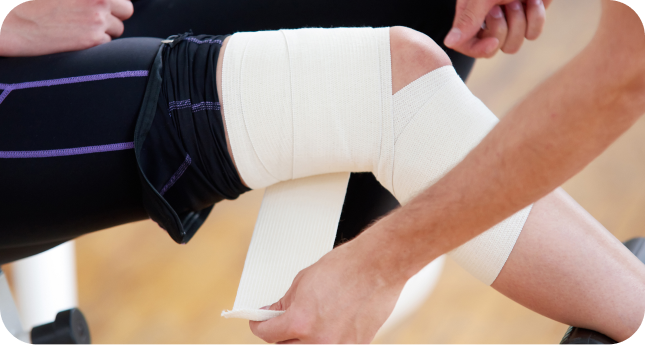
Sports injury treatment is designed to restore movement and performance — helping you recover safely and return with confidence.

Injury Recovery
Treatment targets damaged tissues to reduce pain, inflammation, and movement limitations caused by sports-related injuries.

Performance Restoration
Focused care helps rebuild strength, flexibility, coordination, and joint control required for athletic performance.

Safe Return to Sport
Recovery plans support a controlled, progressive return to training and competition while minimizing reinjury risk.
Sports injuries can worsen or become chronic without proper treatment. With accurate diagnosis and structured recovery strategies, sports injury treatment restores function while protecting long-term joint and muscle health.
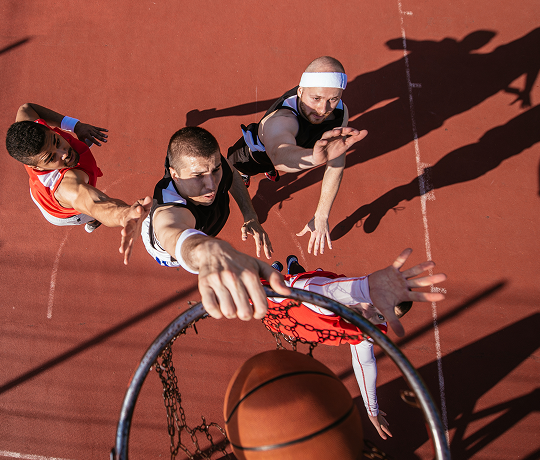
RECOVER WITH CONFIDENCE — AND RETURN READY
Whether the injury affects the knee, shoulder, ankle, elbow, or spine, early and precise treatment makes a difference. Sports injury care is designed to help patients heal properly, regain performance capacity, and return to activity with strength, control, and confidence.
Get the Answers To Common Questions
Sports injury treatment is ideal for active individuals, athletes, or physically active patients experiencing pain, limited movement, or performance issues due to acute or chronic injuries that affect daily activity or athletic performance.
Treatment commonly addresses ligament injuries, tendon damage, muscle strains, joint instability, overuse injuries, and sports-related trauma affecting the knees, shoulders, spine, and other joints.
The anterior approach allows direct access to the disc with minimal muscle disruption and improved visualization of the spinal cord.
Return to activity depends on the type and severity of the injury. Many patients resume light movement early, with a gradual and guided return to full activity or sport once strength, stability, and function are restored.
No. Many sports injuries can be treated successfully with non-surgical approaches such as physical therapy, rehabilitation, and targeted treatments. Surgery is only recommended when conservative options are not effective.
Recovery time varies based on the injury and treatment plan. Some patients recover within weeks, while more complex injuries may require several months of rehabilitation to safely return to sport and prevent reinjury.